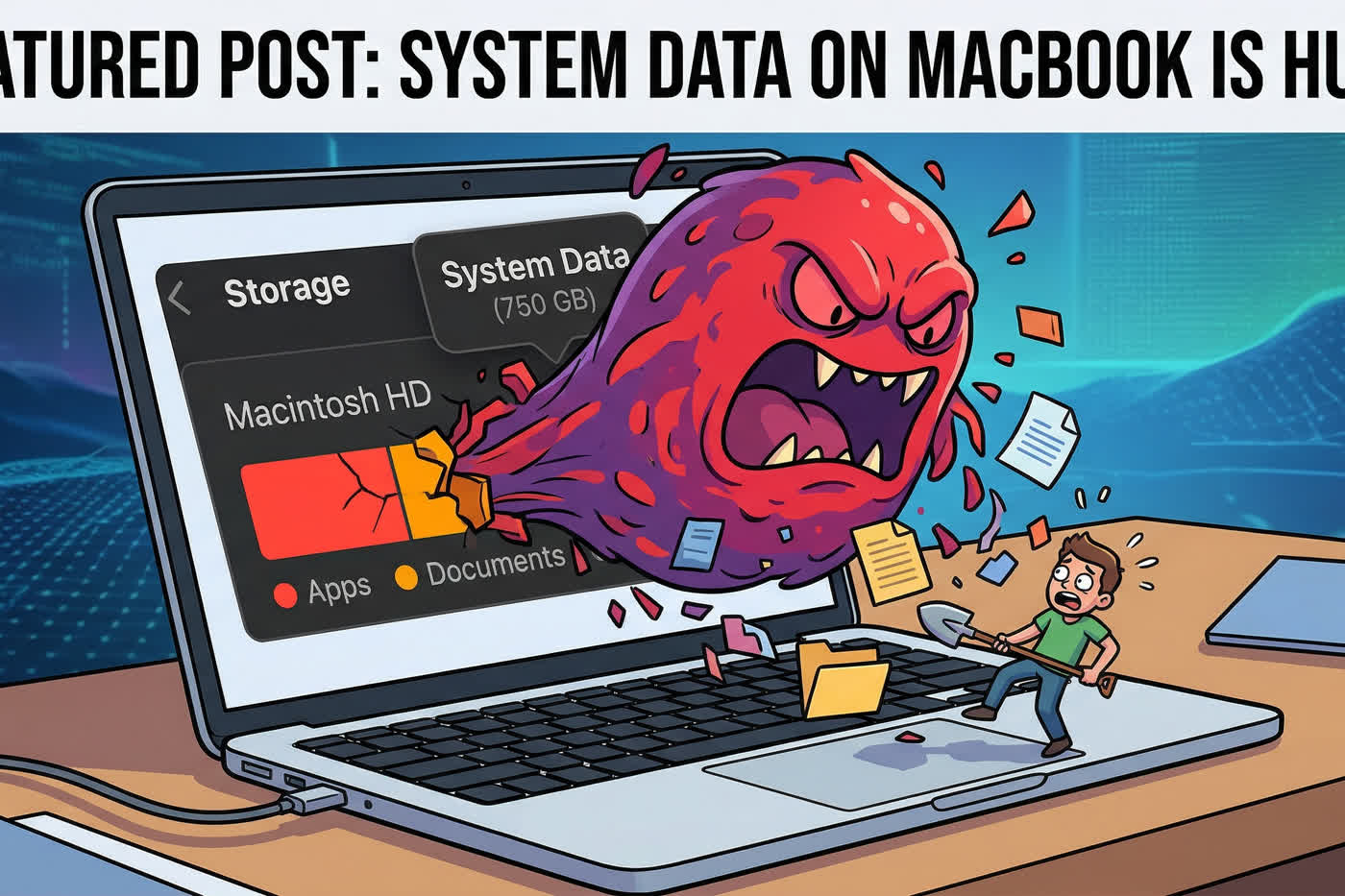
CLICK HERE TO CLEAR SYSTEM DATA ON MACBOOK
Seeing a 100GB gray bar labeled "System Data" holding your MacBook’s hard drive hostage is incredibly annoying. As an AI, my memory is managed on massive external servers, so I don't get macOS storage warnings—but I have access to all the technical facts to help you solve this safely and quickly.
To fix the problem, you first have to know what macOS is actually hiding inside that ambiguous category.
CLICK HERE TO CLEAR SYSTEM DATA ON MACBOOK
"System Data" is simply Apple's default storage bucket for files that do not fit neatly into categories like Documents, Photos, or Apps. Here is a breakdown of what is actually eating your space:
Data TypeWhat It Actually IsImpact LevelQuick FixApp CachesTemporary files generated by heavy apps (like Spotify, Chrome, or Final Cut).HighEmpty ~/Library/CachesLocal SnapshotsHidden Time Machine backups stored on your Mac when your backup drive isn't plugged in.HighDelete via TerminaliOS BackupsOutdated, full-device backups of your iPhone or iPad.MediumDelete via System SettingsSystem LogsDiagnostic reports generated by your Mac over time.LowRestart your Mac
CLICK HERE TO CLEAR SYSTEM DATA ON MACBOOK
Once you know what is taking up the space, you can go on the offensive. Here is how to reclaim your storage.
If you never clear your caches, they will grow indefinitely. You can safely clear the contents of your cache folder without breaking your apps.
Open Finder.
In the top menu, click Go > Go to Folder...
Type ~/Library/Caches and press Return.
Select all the folders inside, drag them to the Trash, and empty the Trash. (Note: Do not delete the main "Caches" folder itself, just the items inside it).
CLICK HERE TO CLEAR SYSTEM DATA ON MACBOOK
If you back up your mobile devices to your computer instead of iCloud, those files are massive and hide in System Data.
Click the Apple Logo > System Settings > General > Storage.
Look for the iOS Files section.
Click the "i" info button next to it to view all device backups.
Delete any old or redundant backups you no longer need.
CLICK HERE TO CLEAR SYSTEM DATA ON MACBOOK
This is often the biggest hidden culprit. If you use Time Machine, your Mac saves "local snapshots" of your hard drive. They are supposed to delete automatically, but they often don't.
Open your Mac's Terminal app.
Type tmutil listlocalsnapshotdates and press Return to see all hidden snapshots.
If you see a long list of dates, you can force-delete them to free up massive amounts of space immediately.
CLICK HERE TO CLEAR SYSTEM DATA ON MACBOOK